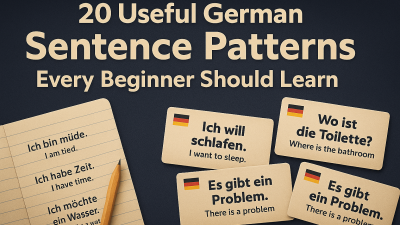

Discover 10 essential cultural habits in Germany every beginner should know. Avoid misunderstandings and feel confident living, traveling, or working in Germany.
Here are 10 cultural habits in Germany every beginner should know, explained in a simple and friendly way.
1. Germans Love Direct Communication
Germans say what they mean – clearly, honestly, and without sugarcoating.
This is not rude.
It’s normal.
If something is wrong, Germans will tell you.
If something is good, they will also tell you.
Direct = Respect in Germany.
It means people trust you enough to be honest.
2. Punctuality Is Serious (Very Serious)
Being late is considered disrespectful.
Even 2–3 minutes can feel late to a German.
For appointments, classes, meetings, and trains:
On time = late
Early = on time
If you arrive 5 minutes early, you’re perfect.
3. Rules Matter – Even the Small Ones
Germany is built on structure.
People follow:
- traffic rules
- recycling rules
- quiet-hour rules
- payment rules
- public transport rules
Not because they are strict, but because rules make daily life smoother for everyone.
If you respect the system, the system respects you.
4. Sundays Are Quiet Days
Sunday in Germany is for:
- rest
- family
- quiet
Shops are closed.
No drilling.
No loud cleaning.
No loud music.
It’s unusual for many newcomers, but Germans value this weekly peaceful break.
5. Cash Is Still Common
Germany loves cards more than before – but cash is still widely used.
Many places (especially bakeries, cafés, small restaurants) still prefer EC cards or cash.
Always keep some cash with you. It saves stress.
6. Personal Space Is Important
Germans take personal space seriously:
- People don’t usually sit next to strangers if space is available.
- Physical contact with strangers is rare.
- Conversations stay at a comfortable distance.
This habit is not cold – it’s simply cultural comfort.
7. Separation Between Work and Private Life
Germans value work-life balance.
After work hours:
- No calls
- No emails
- No “just one quick thing”
- No pressure to work overtime
Free time is really free time.
This mindset makes German workplaces structured, clear, and less stressful.
8. Recycling Is Not a Joke
Germany has one of the world’s most detailed recycling systems.
You’ll see different bins for:
- paper
- plastic
- organic waste
- restmüll (non-recyclable)
- glass (sorted by color!)
If you don’t sort correctly, people may point it out – kindly, but directly.
9. Quiet Hours (Ruhezeit) Are Serious
During quiet hours, you should avoid loud activities such as:
- vacuuming
- drilling
- loud music
- washing machines (in some buildings)
Typical quiet hours:
- Every night: 22:00–7:00
- Sunday: entire day
- Midday break: varies by region
Respecting quiet hours shows consideration for your neighbors.
10. Small Talk Is… Small
Germans do make small talk, but much less than in other cultures.
A typical German conversation:
- direct
- clear
- to the point
If someone doesn’t talk much, it doesn’t mean they dislike you.
It’s simply cultural communication style – efficient and respectful of your time.
Final Thoughts: German Culture Is Logical, Not Difficult
Once you understand the habits behind the language, Germany becomes much easier to navigate.
These habits are not rules to memorize – they are shortcuts to feeling confident in Germany.
Because when you understand how people think, you understand how the language works.
Want to Learn More?
You might also enjoy:
👉 Top 100 Most Common German Verbs (With Examples)
👉 A Simple Daily Routine to Learn German Faster
👉 How to Learn German the Right Way (Beginner Roadmap)
More cultural guides, language tips, and free resources are coming soon on Beyond German.